Floral Unicorn: A Designer’s Real-World Embroidery Review
First Impressions: Whimsy with Intention
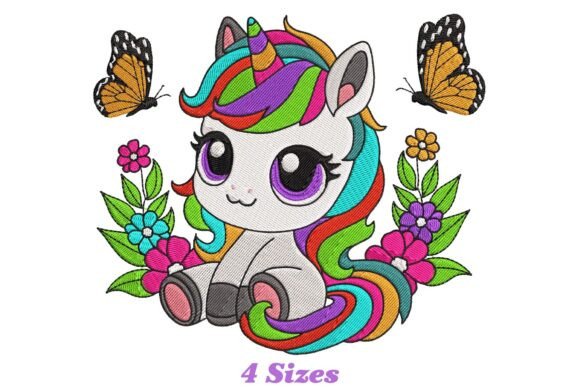
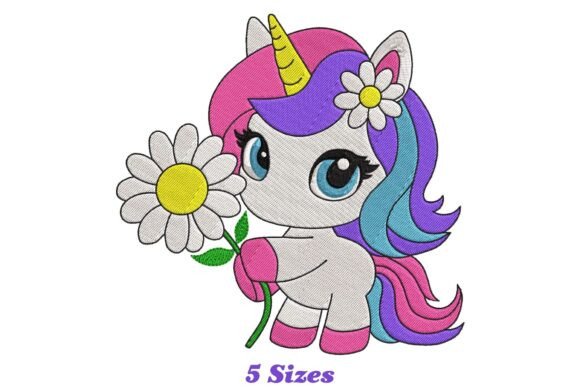
When I opened Floral Unicorn, I didn’t just see a fairy-tale motif—I saw a design that balances playfulness and polish. The unicorn isn’t cartoonish or overly simplified; its posture feels gentle, almost contemplative, with soft floral tendrils curling from its mane and tail. The composition is compact but not cramped—no awkward negative space or forced symmetry. It reads as a cohesive machine embroidery design, not a traced illustration stretched thin across stitches. That matters. Because whimsy without structure can fall apart on fabric—and customers notice.
A Tote Bag Test: Where Personality Meets Practicality
Last week, I stitched Floral Unicorn onto a natural canvas tote for a local boutique launch. Not as a test run—but as the final product. Why? Because this design doesn’t scream “craft fair filler.” It holds up at 4.5 inches wide on a textured surface, with clear satin-stitched horn highlights and delicate fill-stitch petals that didn’t blur or pucker. The stitch density felt intentional—not so dense it stiffened the fabric, not so light it looked washed out. On that tote, it became more than decoration: it was a quiet signature. Customers paused. They asked, “Is that custom?” That’s the power of a well-balanced embroidery file in the Fairy Tales category—it invites connection, not just recognition.
Where It Shines (and Where It Asks for Care)
Floral Unicorn thrives on stable, medium-weight fabrics: cotton tea towels, brushed cotton sweatshirts, structured pillow covers, and baby onesies with tight weaves. On those surfaces, the floral details read cleanly, and the unicorn’s outline stays crisp. It works beautifully as a custom apparel centerpiece on the left chest of a unisex crewneck—or scaled down to 2.75 inches for a subtle embroidered patch on a denim cap.
But—and this is where experience kicks in—Floral Unicorn asks for thoughtful pairing. On stretchy knits like lightweight t-shirts, I’d add cutaway stabilizer *under* and tear-away *on top*, especially around the curved floral loops. On dark fabric, I tested it first in ecru thread: the contrast held, but the inner petal shadows softened. For maximum clarity on black or navy, go one shade lighter in thread—or consider a subtle white outline stitch if your machine supports underlay adjustments.
It’s not ideal for tiny hoops under 4x4 inches without scaling down, and I wouldn’t push it onto heavily textured burlap or loosely woven linen without heavy stabilizing. And while it’s charming on nursery decor, avoid placing it near seams or hems on baby blankets where repeated washing could stress fine satin-stitch edges over time.
Commercial Use: Trust, Value, and Repeat Buyers
As an Etsy seller and small shop owner, I judge designs by how they affect perceived value—not just aesthetics. Floral Unicorn elevates a plain kitchen towel into a curated gift. It adds handmade warmth to a child’s apron without veering into cutesy overload. When used on personalized gifts—like a monogrammed tote with Floral Unicorn nestled beside the name—it signals care, not automation. That builds trust. Customers don’t buy embroidery files; they buy confidence in the finished product. This design delivers that quietly.
Design Notes Every Embroidery Designer Should Check
- Test on scrap fabric first—especially if using textured or blended fabrics. Note how the floral curves behave on your machine’s tension settings.
- Review thread color contrast before stitching on dark or saturated backgrounds. What reads well on screen may mute on fabric.
- Check stitch density visually in your software. Look for areas where fill stitches overlap tightly—those spots need stabilizer support on delicate or stretchy materials.
- Confirm hoop size compatibility. If you’re working with smaller commercial hoops, verify whether the native size fits—or if minor scaling preserves detail integrity.
- Inspect small details: the tip of the horn, inner petal veins, and the curve of the ear. These are where digitizing quality shows—or falters.
- Test in black-and-white mockups to assess silhouette strength. A strong outline means better recognition on apparel and patches.
- Compare light vs. dark fabric backgrounds in your digital preview. Some floral motifs lose dimension on black unless stitch layering is intentional.
- Use proper stabilizer—medium-weight cutaway for knits, tear-away for stable wovens, and optional topping for napped fabrics like terry cloth towels.
- Verify licensing terms before selling finished items or bundling Floral Unicorn into digital product kits. Commercial use rights aren’t automatic—even for designs labeled “for embroidery.”
Beyond the Stitch: Brand Fit and Buyer Engagement
If you’re building a craft business around storytelling—nursery themes, magical girl aesthetics, or gentle fantasy—you’ll find Floral Unicorn slots in naturally. It’s not generic. It’s not overused. It carries tone: hopeful, tender, quietly imaginative. That makes it a smart asset for printable mockups, social media previews, and boutique branding. When customers see it on your Instagram grid next to a hand-dyed linen pillow cover or a holiday embroidery kit, it reinforces consistency—not just style, but intention.
For holiday embroidery or wedding-related gifts (think: flower girl totes or “magic begins here” nursery pillows), Floral Unicorn offers gentle symbolism without cliché. And because it avoids dense lettering or intricate borders, it scales well across product types—from a 3-inch version on a baby bib to a bold 5.5-inch statement on a reversible apron.
Final Thought: A Design That Works With You
Floral Unicorn isn’t flashy. It doesn’t demand attention—it earns it. As a designer who’s stitched hundreds of fairy-tale motifs, I appreciate how it resists trend fatigue. It’s versatile enough for a small shop’s bestseller list, detailed enough for a handmade product to feel special, and balanced enough that it won’t undermine your craftsmanship on tricky fabrics. Just remember: even the most charming embroidery design needs your judgment. Test it. Adapt it. Make it yours. Then let it do what it does best—add quiet magic to everyday things.