Sugar Skull Embroidery Design Review
First Impression: Festive, Decorative, and Instantly Recognizable
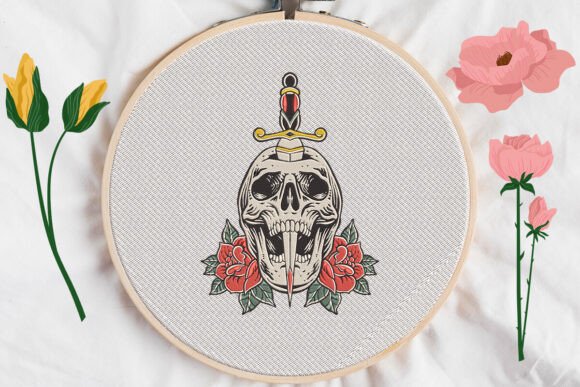
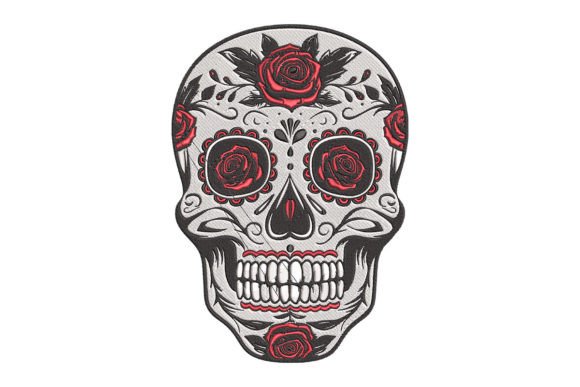
As an embroidery designer who’s prepped over 200 craft fair booths—from Portland bazaars to Nashville maker markets—I opened Sugar Skull expecting something bold and culturally rich. What I got was a well-balanced, floral-embellished interpretation that lands firmly in the festive yet refined zone. It’s not cartoonish or overly spooky; it’s decorative without being fussy, Halloween-themed without leaning into gore or kitsch. That’s gold for handmade sellers who want seasonal appeal without alienating customers who skip pumpkin spice but love folk art, Day of the Dead motifs, or botanical detail.
Where Sugar Skull Shines on Craft Fair Products
In my booth setup—tote bags front and center, aprons draped over a vintage ladder, tea towels folded beside embroidered pouches—Sugar Skull performed strongest where contrast and storytelling matter most:
- Tote bag design: Centered on natural canvas or black denim, it reads clearly from 6 feet away. The floral framing gives dimension, and the skull shape anchors the composition—no confusion about what it is, even at glance.
- Apron embroidery: Positioned just above the pocket (not too high, not too low), it adds personality without overwhelming the garment’s utility. Customers consistently paused longer at aprons with this design than generic “Bake Witch” or “Boo Crew” versions.
- Embroidered patch: Clean edges, moderate stitch density, and strong silhouette make it ideal for iron-on or sew-on patches. Great for Etsy sellers bundling with enamel pins or stickers.
- Tea towel embroidery: Works beautifully on medium-weight linen-cotton blends—but avoid overly textured waffle weaves. The floral elements need breathing room to read as delicate, not muddy.
- Pillow cover & small pouch: At 4–5 inches wide, Sugar Skull holds clarity and charm. It feels intentional, not cramped—a key signal of handmade quality.
What Holds It Back (and How to Work Around It)
Sugar Skull isn’t universally forgiving—and that’s okay. As a working embroidery designer, I flag these practical limits before cutting fabric:
- Dense stitch areas: The floral vines wrapping the skull’s temples and jawline pack fine detail. On thick fabrics like duck cloth or corduroy, reduce density slightly—or add tear-away + cut-away stabilizer combo.
- Small lettering? None here—thankfully. This avoids a common pitfall for craft fair products: tiny text that vanishes on dark fabric or blurs when washed. Sugar Skull relies on shape and line, not legibility-dependent elements.
- Curved surfaces: Caps and curved market bags require re-hooping or specialty hoops. Test first on scrap baseball caps—the top curve of the skull can distort if tension or placement is off.
- Dark fabric warning: While it looks stunning on charcoal or burgundy, avoid black thread on black fabric unless you’re using metallic or tonal variegated thread for lift. Always test thread contrast on your base fabric.
- Size scaling: Below 3 inches wide, the floral filigree begins to merge. For pocket-sized items (like keychain pouches), stick to the 3.5–4.5 inch range for best recognition.
Real-World Selling Power: Booth Impact & Buyer Engagement
At last month’s fall craft fair, I displayed three tote bags: one with Sugar Skull, one with minimalist bats, one with glittery pumpkins. Sugar Skull drew the most questions—not just “What’s that?” but “Is that hand-drawn?” and “Do you do custom colors?” That’s the magic: it feels personal, artistic, and ownable. It supports brand consistency for boutiques and small shop products because it’s distinctive but not limiting—it pairs equally well with sage green, terracotta, cream, or deep plum.
For Etsy sellers, Sugar Skull photographs exceptionally well. Its balanced negative space, clear focal point, and organic lines translate cleanly to printable mockups and lifestyle shots. No heavy editing needed—just natural light and a neutral backdrop. And yes, it’s repeatable for batch production: clean jump stitches, logical color sequence, and no micro-details that demand constant thread snipping.
Designer Notes You Can’t Skip Before Production
This isn’t just about stitching—it’s about selling confidently. Here’s my pre-booth checklist for Sugar Skull:
- Test on scrap fabric—same weight, same dye lot, same finish as your final product.
- Check thread contrast by holding stitched sample under booth lighting (not just studio LEDs).
- Review spacing between skull and florals—tight enough for cohesion, open enough to avoid thread buildup.
- Confirm hoop size matches your machine’s max embroidery area—don’t assume “standard” fits all.
- Inspect stitch density in vine sections. If your machine flags “high density,” trim a few filler stitches manually or adjust in editing software.
- Use the right stabilizer: medium cut-away for knits, tear-away + light cut-away for stable wovens, adhesive + cut-away for slippery silks or rayons.
- Create at least one real mockup—not digital. See how it drapes, how it wears, how it feels in hand.
- Compare fabric colors side-by-side: ivory thread on oatmeal linen vs. ecru thread on oatmeal linen reads *very* different.
- Confirm commercial licensing before selling finished products. Since Sugar Skull is marketed for apparel, home decor, and accessories, verify usage rights directly with the designer or platform—especially for wholesale or boutique resale.
Final Thought: A Standout Craft Fair Product With Real Shelf Life
Sugar Skull isn’t just another Halloween embroidery file—it’s a versatile, mood-forward design asset that elevates handmade product perception. It works hard across categories, photographs with integrity, and connects emotionally without leaning on trend fatigue. For Cricut crafters layering vinyl accents, for embroidery business owners building seasonal collections, for Etsy sellers refreshing their autumn listings—it delivers clarity, craft, and commercial readiness. Just remember: great design meets great execution. Test, refine, and let Sugar Skull do what it does best—turn everyday items into conversation-starting, booth-drawing, buyer-winning craft fair products.