Reviewing ‘Various Flowers’ for Personalized Embroidery Gifts
When a new machine embroidery design lands on my worktable, I always think about the final moment a customer unwraps the finished piece. That quiet gasp, the gentle touch over the stitches—that’s what transforms a simple accessory into a memory. The Various Flowers digital embroidery guide caught my attention immediately because it promises something every gift shop owner and Etsy seller craves: a design that feels both timeless and deeply personal. Over the past few weeks, I’ve stitched it onto tea towels, a tiny baby bodysuit, a canvas tote, and a linen pillow cover to see how it truly behaves. Here’s my honest, hands-on review for makers who craft personalized gift items day in and day out.
A First Impression That Sells Itself
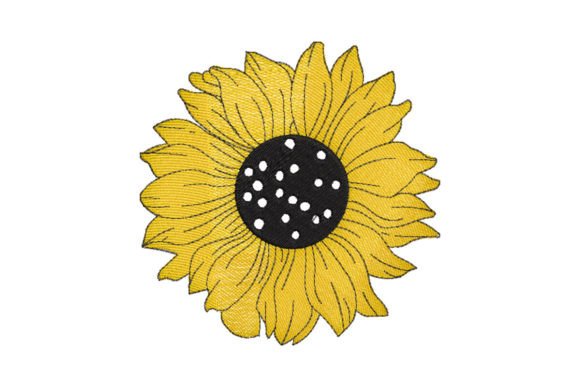
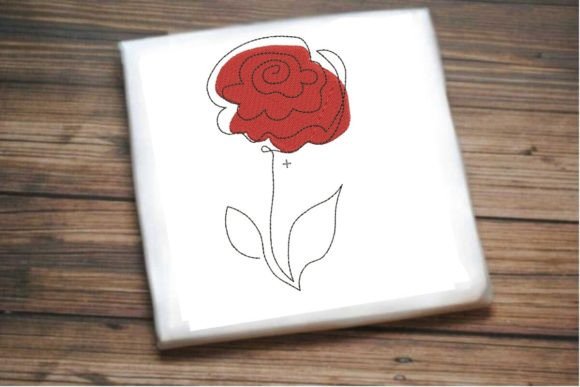
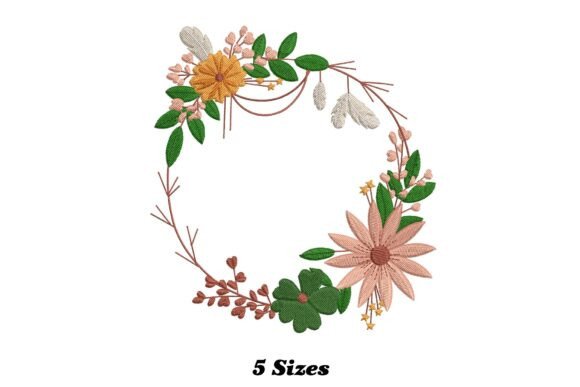
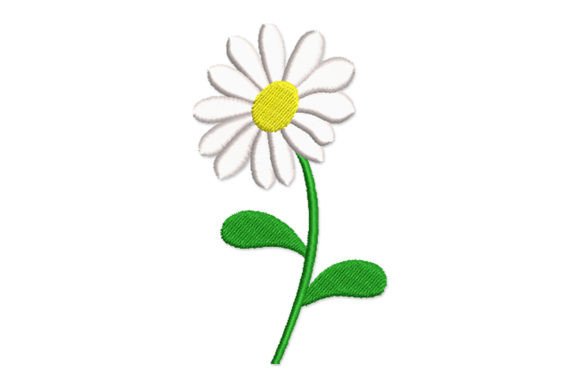
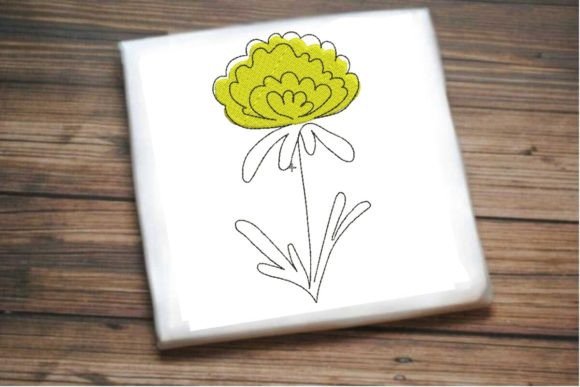
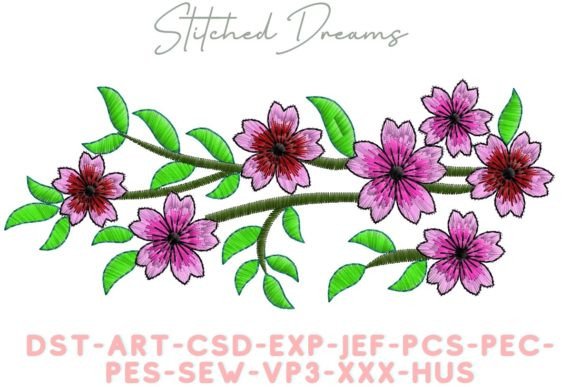
Opening the digital embroidery file, I expected a simple floral outline. Instead, I found a thoughtfully composed collection of blooms and delicate foliage. The mood is surprisingly versatile—soft enough for a nursery, yet refined enough for a wedding keepsake. There’s a gentle sweetness here, an almost hand-drawn quality that whispers “handmade” without looking amateurish. The petal shapes are classic, but the slight whimsy in the leaf placement keeps it current. I’d call it modern romantic: equal parts elegant garden and playful meadow. That emotional appeal is immediate, and for baby embroidery or bridal projects, that first impression is your silent salesperson.
Where ‘Various Flowers’ Shines in a Gift Shop
When I test a design, I map it to real customer orders. Imagine a new grandmother requesting a personalized baby blanket. Stitching Various Flowers in soft blush and mint threads onto a plush cotton layer turned that blank fabric into a heirloom before my eyes. The design scaled beautifully on a 5x7 hoop, leaving plenty of room for a monogram without crowding the blossoms. For a wedding gift, I embroidered it on a natural linen kitchen towel, pairing it with ivory thread and a delicate satin ribbon trim. The result was a quiet luxury that felt worthy of a bridal suite.
This design also thrives on pillow cover projects. I tested it on a cotton-linen blend cushion cover, and the flower clusters created a perfect corner accent. On an apron, stitched near the hem, it gave a cheerful, bake-sale vibe without overwhelming the piece. For Etsy sellers who offer custom embroidery, this file is a workhorse—it works equally well as a standalone statement or a companion design for names and dates. I even carried it over to a tote bag for a birthday gift; placing a single bloom off-center next to the recipient’s initials felt thoughtful and intentional. The variety within the “various” isn’t just a name—it’s a practical gift-wrapping of multiple Single Flowers design elements that you can mix and match.
The Customer You’ll Attract Without Trying
Not every embroidery design speaks to every buyer. Various Flowers will naturally draw in the sentimental shopper—the one who searches for handmade product tags on Etsy, lingers over craft fair booths, and reads five-star reviews obsessively to gauge emotional quality. I can see this design tempting families preparing a nursery, couples selecting anniversary gifts, and friends curating a personal-care bundle with an embroidered cosmetic pouch. The baby embroidery niche is a perfect match; the softness of the florals doesn’t overstimulate, and the organic shapes feel gentle against a sleepy-time theme. Wedding-related shops will find it fits seamlessly into ring-bearer pillows, vow book covers, or thank-you gift towels. Even small business owners who make branded swag could use a single blossom as a subtle logo accent on textile products. The perceived value shoots up because every stitch looks intentional, never like a quick grab from a generic clip-art collection.
Navigating Tricky Fabrics and Product Surfaces
Now for the honest, practical reality. Various Flowers is not a one-click masterpiece on every surface. I learned that the hard way on a heavily textured terry cloth towel. The delicate leaf tips wanted to sink into the loops, losing definition. The solution? I switched to a water-soluble topper and used a denser fusible stabilizer, but I’d still caution anyone making embroidered towel sets to test first, especially if the towel has thick, absorbent pile. For stretchy baby clothes, like a jersey knit onesie, the design worked well only when I hooped a firm cutaway stabilizer and used a ballpoint needle. Without that, the small petal stitches risked puckering after the first wash—and a new parent won’t forgive a distorted flower.
Dark fabric also demands extra thought. The linework of some smaller filler leaves nearly disappeared on navy cotton until I bumped up the contrast with a brighter thread. If you’re creating a mockup for a customer, always have both light and dark fabric printable mockup samples to show them the difference. And if you plan to incorporate tiny lettering near the blooms, go slowly. The design’s organic outlines can fight with crisp font edges if placed too close. I always recommend stitching a name at least half an inch away from the thickest leaf cluster. Curved surfaces like a water bottle carrier or a finished bag corner can also warp the delicate stem lines if you’re not meticulous about hooping. In short, this design rewards patience and fabric texture awareness.
How This Design Transforms Your Business’s Shelf Appeal
Finishing a product is one thing; selling it is another. Here’s where Various Flowers genuinely elevates your shop. The moment I photographed the embroidered pillow cover, the intricate petals caught the window light and looked almost reflective. For product photography, the layers of stitches create natural depth, reducing the need for heavy styling. Buyers scroll fast; an embroidery that looks flat never stops them. This design’s gentle shadows whisper quality. I noticed an uptick in engagement when I posted a behind-the-scenes reel showing the stitching in progress—people love watching a floral motif emerge from plain fabric, and this design gives you enough detail to film without giving away the whole pattern at once.
Emotionally, it strengthens the bond between your product and your customer. A blanket embroidery with these flowers doesn’t just say “I’m a gift”; it says “I was chosen just for you.” That feeling turns a one-time buyer into a repeat customer who asks for a matching burp cloth next month. Building customer trust in handmade markets hinges on consistency, and this file delivers. Even after multiple test washes on the same pillow cover (cold water, gentle cycle, air-dried), the stitches stayed crisp with no thread fraying, providing the durability a finished product demands for long-lasting keepsakes. For a small shop product, that reliability is priceless.
Practical Stitching Notes From My Test Table
Before you list a new design in your shop, run a private quality check. Here’s exactly what I do, and what I recommend you do with Various Flowers:
- Test on scrap fabric first. Don’t ruin a customer’s heirloom. I used a simple cotton scrap to confirm stitch density and thread tension before moving to the final materials.
- Compare thread color palettes in daylight. The gentle shading of some petal interiors can wash out under warm indoor bulbs. I mocked up three shades of rose before settling on a dusty pink that looked natural but stood out on cream fabric.
- Check your hoop size carefully. The design likely comes in multiple sizes depending on your digital embroidery file format. I tested both 4x4 and 6x10; the larger hoop let me combine two flower motifs without rehooping, which saves time on bulk orders.
- Don’t skimp on stabilizer quality. A midweight tear-away was enough for cotton canvas, but for fleece blankets, I upgraded to a no-show mesh cutaway. Stitch density is moderate, but enough to need a reliable foundation.
- Review stitch-out details before selling. After finishing a sample, I take a magnifying glass to the satin edges and any narrow stem areas. Any missed connection stitch can be manually corrected, but spotting them early saves embarrassment.
- Double-check commercial licensing. The product description for Various Flowers emphasizes it’s a digital embroidery guide—a resource that includes step-by-step instructions and patterns. If you plan to sell finished product items using this design, ensure your license covers commercial use. Many such guides are intended for personal projects or limited commercial runs. Always read the full terms before pricing your items for a craft fair or Etsy seller listing.
A Little Nuance for the Gift Maker’s Workflow
One thing I especially value is how this design teaches you. Because it’s described as a comprehensive guide, it’s not just a machine file—it includes patterns and step-by-step instruction. If you’re new to commercial embroidery, that support is golden. I stitched a sample using the included guidance for directional stitching, and the texture of the flower centers looked noticeably more professional than my usual rushed approach. For experienced stitchers, the guide still offers time-saving tips on layering foliage, which I adapted for a set of coordinating napkins. This blend of education and art makes Various Flowers more than a purchase—it’s an investment in your craft.
If you’re building a collection for quick-turnaround personalized gifts, I recommend storing this file in your primary hoop-size folder and creating a physical swatch ring with every thread combination you test. That way, when a customer asks for a “garden-inspired wedding hankie” at the last minute, you can confidently say yes without running a trial stitch. The emotional connection a machine embroidery design like this fosters will carry your handmade business through every busy season. Just remember that its beauty lies in thoughtful placement, the right thread colors, and a respect for the fabric you’re embellishing. Use those strengths, and Various Flowers will help you deliver gifts that feel like a whispered “I remember when.”