Floral Cross Stitch Pattern: Craft Fair Review
Why Floral Patterns Always Draw a Crowd
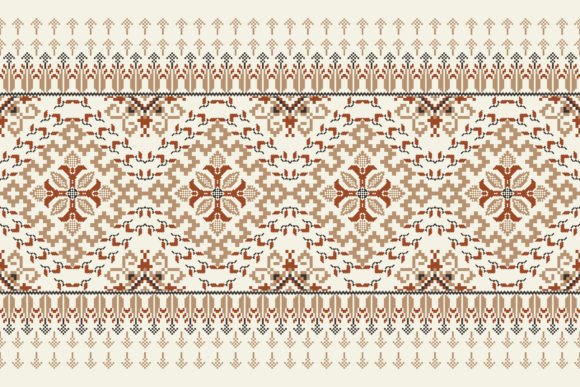
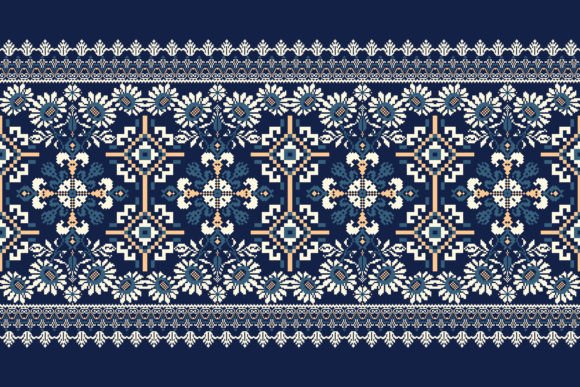
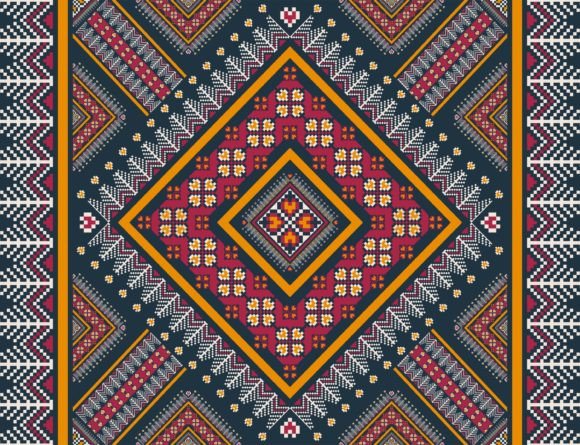
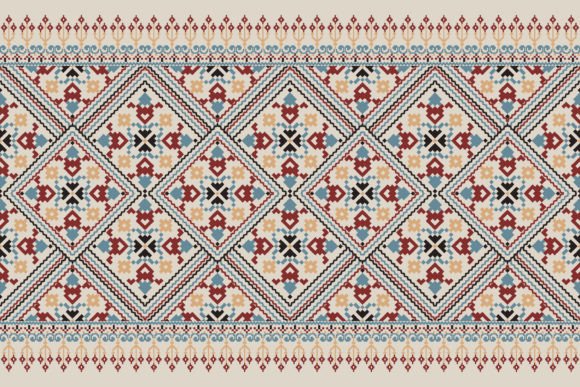
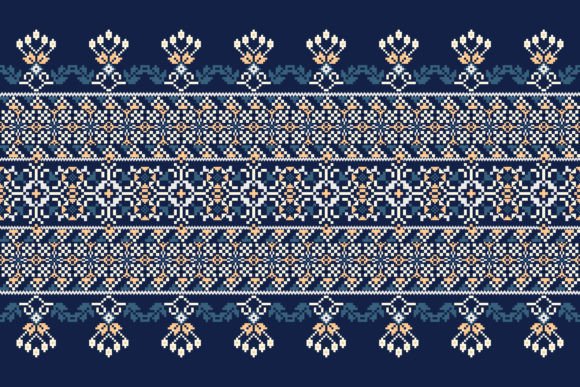
Walk through any weekend craft market and you’ll notice a common thread — customers stop for floral motifs. There is something deeply comforting about a well-placed bloom on a tea towel or a delicately stitched vine curling across a tote bag. When I first opened the Floral Cross Stitch Pattern file, I immediately felt that familiar pull. This isn’t just another generic bouquet; the cross-stitch aesthetic gives it a nostalgic, handmade soul that buyers crave. For an Etsy seller or a small shop owner planning a booth, this graphic means you can create machine embroidery designs that feel like a family heirloom while still being a fresh, commercial craft fair product.
First Impressions from a Booth Builder’s Mind
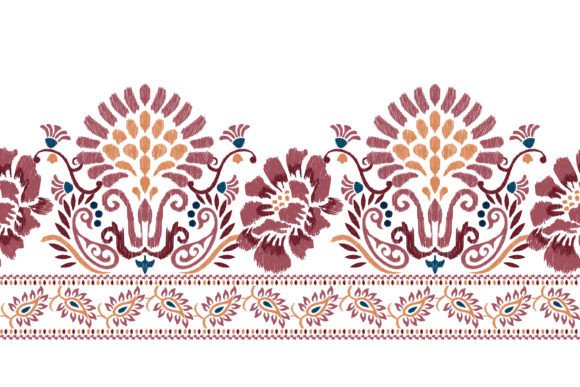
The supplied eps and jpg at 6000 by 4000 pixels told me this artwork was created with clarity in mind. From a digitizer’s perspective, high-resolution source files are gold — they reduce guesswork and let you see exactly where a stitch line will land. Visually, the pattern leans soft and elegant, with a balanced floral arrangement that reads as farmhouse-chic rather than overly formal. I imagined it stitched in muted sage green and dusty rose on a natural linen apron. At a booth, this design wouldn’t scream for attention, but it would pull people in quietly, inviting them to touch the textured threads. That kind of quiet confidence often converts better in a handmade setting than anything loud or trendy.
Choosing the Right Product for the Right Buyer
After living with this design for a few days, I mentally placed it on every blank in my craft fair inventory. Here’s how it ranked on popular items:
- Tea towels and kitchen towels — A perfect match. The cross-stitch-inspired look feels authentic against woven cotton. Use a lightweight cutaway stabilizer to keep the towel drape soft without puckering the dense fill areas.
- Apron bib embroidery — Stunning. A centered placement on a half-apron creates a focal point that catches the eye across a crowded aisle. Consider thread colors that contrast slightly against your fabric for maximum pop.
- Tote bags and market bags — Large canvas totes give the design room to breathe. I would scale the pattern to roughly 7 to 9 inches wide for a grocery tote. The floral cross stitch pattern becomes a walking advertisement for your shop.
- Pillow covers — Pair a crisp white linen pillow with this design in a single bold thread color, and you’ll have a farmhouse statement piece that photographs beautifully for online listings.
- Small zip pouches — As a delicate accent on a fabric pouch, the pattern works when slightly reduced, but I’d avoid shrinking it below 4 inches. Tiny stitches can lose clarity and turn into a blurry patch.
- Embroidered patches — Possible, though you’ll need to simplify the design and use a dense border. The cross-stitch texture could get lost on a patch unless you stitch it on a twill base and carefully trim the edges.
- Caps and curved surfaces — I’d skip these for this particular machine embroidery design. The detail and the floral curves rarely register well on the stiff, curved front of a baseball cap.
Production Notes: Digitizing a Cross-Stitch Look
You aren’t buying a ready-made embroidery file; you’re buying the design assets to create one. That’s a crucial distinction. The eps allows you to manually plot stitch types, while the jpg gives a color reference. Because the description doesn’t specify a stitch count, I advise testing your digitized version on a scrap of the exact fabric you’ll sell. A classic cross-stitch fill can become dense and stiff, so adjust your spacing and consider using a perforated tear-away stabilizer for structured items or a no-show mesh for knits.
Thread palette is another decision point. The pattern’s appeal relies heavily on a cohesive, limited color story. I recommend sticking to 6–8 well-chosen shades. Test a sample on both a cream and a dark gray fabric. You might discover the same thread reads differently against each background — sometimes a dark fabric swallows the delicate linework that makes a floral cross stitch pattern feel hand-stitched.
What Stops a Shopper and Triggers a Sale
At a craft fair, a buyer glances at your display for perhaps three seconds. In that moment, a handmade product must communicate quality, care, and a bit of story. The Floral Cross Stitch Pattern does this by borrowing from counted cross stitch traditions, which many people associate with patience and love. I watched a friend hesitate at a similar design last spring, then pick up the tea towel and whisper, “My grandmother used to do these.” That emotional hook is powerful. It adds perceived value and makes a $22 tea towel feel like a bargain treasure.
Careful-Use Notes for Professional Results
No design is without its tricky moments, and this one rewards production discipline. Keep these points in your production checklist:
- Watch dense stitch areas — Large filled petals can quickly accumulate thread. Too much density on a lightweight cotton leads to puckering. Audition your design on the same fabric weight you plan to sell.
- Limit tiny details — If the pattern includes thin stem lines or miniature buds, check that they actually stitch out clearly at your chosen hoop size. Anything finer than 1.5mm may vanish on textured towels.
- Fabric texture matters — A thick, loopy towel will obscure fine cross-stitch texture. Choose a smooth, flat-weave cotton or linen for items where you want the stitch definition to shine.
- Avoid dark-on-dark embroidery — If you’re stitching a dark thread on a dark fabric, the whole design can flatten. Test contrast levels. A slightly lighter or medium tone often works better than a true pastel on deep backgrounds.
- Curved surfaces are unforgiving — Caps, mug sleeves, and rounded zipper pouches distort the linear grid pattern inherent in cross stitch. Stick to flat or gently curved surfaces.
Photography and Online Listing Tips
Once your sample is stitched, styling matters just as much for your Etsy seller shop as it does for a craft fair table. This pattern photographs best in soft natural window light. Style the finished piece with a spool of thread, a few sprigs of real lavender, and a simple kraft tag. The printable mockup you create from the jpg can also serve as a placeholder for digital listings, but your customers will expect to see a real embroidered example. A crisp close-up of the stitch texture on a tea towel embroidery listing often seals the sale.
Batch Production and Booth Display Flow
If you’re building an entire craft fair line around this motif, consistency is your friend. I would create three to four colorway versions of the Floral Cross Stitch Pattern — perhaps a soft pastel set for baby shower gifts, a burgundy and ochre set for autumn markets, and a classic blue-on-white Delft-inspired set. Hang them in a vertical column at your booth so the eye travels naturally from a pillow cover at the top, through a tote bag in the middle, to a stack of folded tea towels below. Grouped this way, the design tells a cohesive brand story that encourages multiple-item purchases.
Artwork Licensing and Commercial Rights
Because the product is sold as a Graphics file under Patterns, you must verify the specific commercial embroidery license. The item description includes a warm “Thank you for support me,” which hints at a designer who cares about the maker community, but it doesn’t state the allowed use for physical products. Before you stitch and sell dozens of handmade products, reach out to the designer and confirm that you may use the pattern to create finished items for sale. Most pattern designers welcome this, but clarity protects your small shop investment. Also note the file formats provided: eps and jpg. They are not ready-to-stitch machine files like pes or dst; you must digitize them yourself or hire a digitizer, which adds a step and cost.
Final Booth-Worthy Verdict
After evaluating the Floral Cross Stitch Pattern as both a visual asset and a production plan, I can confidently say it deserves a spot on your craft fair table — if you treat it with the care a true handcrafted look demands. Its strength lies in high-resolution artwork, a gentle farmhouse feel, and adaptability across flat textile goods. You’ll need to test stitch density, choose stabilizer carefully, and plan your color palette, but the result is a finished product that resonates with the slow-made, thoughtful aesthetic shoppers actively seek. For the apron bib that stops a grandmother in her tracks or the tea towel that becomes a market bestseller, this pattern is a reliable, charming foundation.