Delicate Flowers: An Embroidery Designer's Review
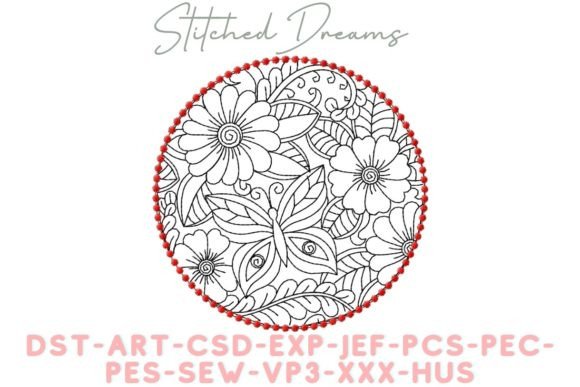
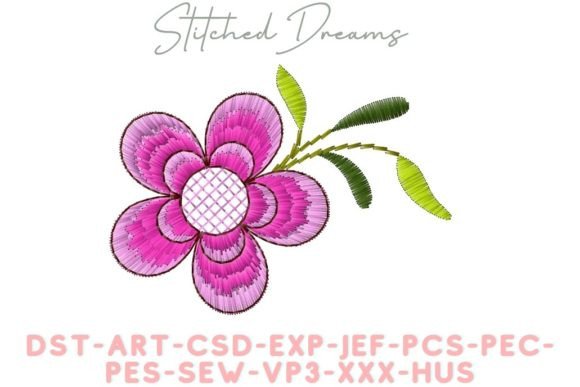
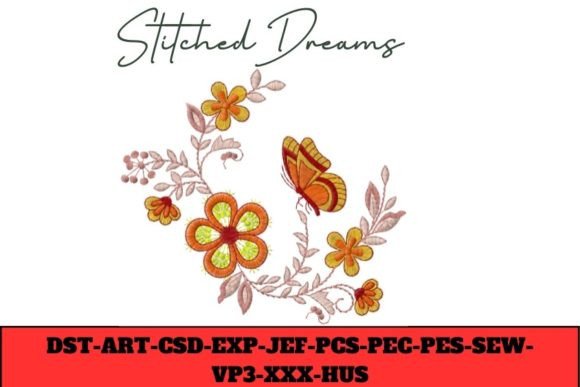
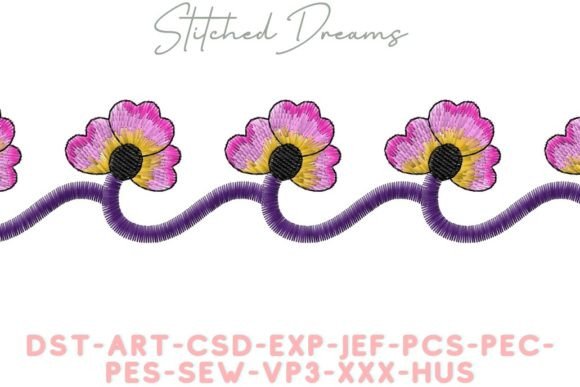
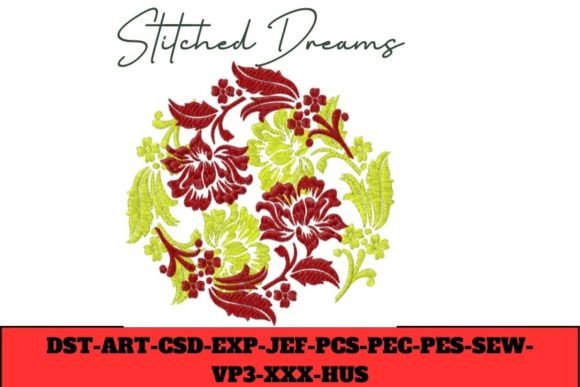
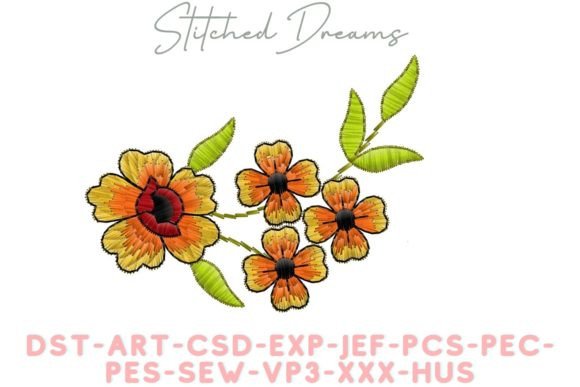
When I first opened the Delicate Flowers embroidery design file, I felt something I don't always feel with floral machine embroidery designs. Calm. Not the busy, overcomplicated calm of trying too hard. The real, quiet kind that comes from a well-balanced composition. The flowers don't scream for attention. The leaves don't twist into chaos. The entire arrangement breathes. And breathing designs are the ones that hold up best after the needle stops.
This digital embroidery design captures something I look for in almost every embroidery project I take on: versatility without vagueness. The intertwining vines and blossoms create a soft narrative. It's feminine, sure. But it's not frilly. It's natural, but not rustic. It sits right in that sweet spot where a handmade product can appeal to both the minimalist buyer and the romantic gift shopper.
Where Delicate Flowers Belongs in Your Embroidery Work
I mentally test every design against the products I regularly stitch. Tote bags. Sweatshirts. Baby blankets. Tea towels. Caps. The Delicate Flowers design passed most of those tests immediately, but not all equally. Let me walk through the real checks.
On a tote bag design, this embroidery file would sit beautifully off-center near a bottom corner, or centered on a pocket flap. The graceful curve of the stems and the balanced spacing between petals means the eye travels naturally across the stitching. That matters when someone picks up the bag from across a room at a craft fair. Visual flow isn't just an artistic concept. It drives buyer engagement.
For custom apparel like sweatshirts and t-shirts, I'd lean toward placing this on the left chest area or the upper back near the neckline. The design has enough breathing room that it won't look like a dense blob, even on soft fabrics. But on stretchy fabric, you have to be careful with the stem thickness. Fine lines on knits can shift. Test on scrap first. Always.
Baby items are where I think Delicate Flowers genuinely shines. A soft cotton onesie with this stitched in muted pastel thread colors would feel expensive. The small blossoms are gentle. The leaf placement feels protective, not decorative just for the sake of decoration. Parents notice that kind of detail. They might not articulate it, but they feel the difference between a design that was slapped on and one that was chosen with care.
Stitching Reality: What I'd Check Before Production
I don't trust any machine embroidery design blindly. The moment I saw this one, I started my usual mental checklist. First, I'd inspect the stitch density. Dense floral designs can turn into stiff plates on lightweight fabric. If the satin stitch areas on the petals are packed too tightly, they'll pucker on anything thinner than midweight canvas. I'd run a test patch on quilting cotton and on a French terry cloth before committing.
The running stitch detailing in the stems makes me want to check how many underlay stitches are present. Too few, and the stems can shift during embroidery. Too many, and you lose the delicate quality that makes this design appealing in the first place. I'd also check whether the smallest flowers hold their shape at reduced sizing. Some intricate blossoms dissolve into thread mud when you shrink them down for a baby cap or a narrow sleeve cuff.
Hoop size is another practical factor. The description doesn't specify exact dimensions, so I'd load the digital embroidery file into my software and measure it. If it requires anything larger than a 5x7 hoop, it changes which products I can realistically stitch. Larger hoops limit placement on small items like caps and baby bibs. Always measure before you build your product lineup around one design.
Working With Fabric and Color Choices
I've learned the hard way that a design you love on your screen can become invisible or overwhelming on different fabrics. With Delicate Flowers, I anticipate the following real-life scenarios.
On dark fabric, you need strong thread contrast. If the flowers are stitched in dusty rose or pale lavender on black, they'll look hauntingly beautiful, but only if the stitch fill is heavy enough. Light colors on dark backgrounds expose every missed needle penetration. I'd bump up the density slightly or use a darker outline to frame the petals. On light backgrounds, the same design can feel airy and soft, perfect for nursery decor and bridal gifts.
Textured fabric introduces another challenge. Terry cloth, waffle weave, and even linen can swallow fine detail. The delicate leaves in this design could lose their pointed tips inside the fabric texture. A good water-soluble topping solves most of that, but you have to test to know for sure. I never skip that step on tea towels or textured blankets.
Stretchy fabric requires the right stabilizer. For sweatshirt embroidery, I use a cutaway stabilizer on knits. The stretching and recovery of the garment during wear can distort flower shapes over time. The stems in Delicate Flowers are elegant, and elegance doesn't survive distortion well. Secure the back and the design will hold its composure through dozens of washes.
The Business Side: Selling Products With This Design
I think like both a designer and a small shop owner. The question I always ask is this: will a customer pay a premium for something stitched with this design? With Delicate Flowers, the answer leans yes, but with conditions.
For Etsy sellers and craft business owners, the appeal lies in the design's quiet sophistication. It works for personalized gifts because it doesn't overwhelm monogramming or short names. It complements rather than competes. I can see a pillow cover with this floral embroidery in one corner and a simple embroidered initial in a fine serif font nearby. That's a wedding gift people keep, not toss into a guest room cabinet.
However, for commercial embroidery where speed and cost matter, you need to verify the file runs efficiently. High-detail designs with dense fill areas take longer to stitch, which raises production time and thread costs. I wouldn't offer this on a budget product. It belongs on mid-range to premium items where the design adds perceived value instead of just marking a cost center.
As a digital product seller, I'd also consider how this embroidery design looks in printable mockups. Soft floral designs photograph beautifully on flat products like pillow covers and napkins. The graceful curve of the stems creates a strong visual line that holds attention even in thumbnail images. Make sure your listing photos show real stitched results, not just software previews. Customers trust what they can see was actually embroidered.
A Real Morning in the Studio With Delicate Flowers
Picture this past Tuesday. I had a client who wanted a set of three kitchen towels as a thank-you gift for her wedding planners. The brief was simple. Elegant. Nothing too bold. I loaded Delicate Flowers onto my machine and tested it on a flour-sack cotton towel in sage green. I used soft ivory thread for the petals and a muted olive for the leaves. The first stitchout took twenty-two minutes. I watched closely as the needle traced the flower outlines.
Around minute four, one of the petals on the smallest flower started to look slightly off. Not ruined. Just slightly uneven. I realized the stabilizer wasn't attached firmly enough near one corner. I re-hooped with a tighter fit and ran it again. Perfect. The second version had that crisp, clean definition that makes a handmade product feel intentional rather than accidental.
The client picked them up yesterday. She ran her thumb over the embroidery and said, "It feels like something from a little shop I'd never be able to afford." That's exactly the reaction Delicate Flowers can create when you respect the material and the details.
Products Where I Would Pause Before Using This
I always share what doesn't work just as much as what does. For curved surfaces like unstructured caps, I'd proceed carefully. The stem curvature in this design might fight against the cap's compound curve and create ripples. If you force it, the result looks tense. Caps ask for simpler, bolder shapes, and the delicacy of these flowers could get lost.
On embroidered patch applications, the edge finishing matters. If you stitch this design with a merrow border for patches, you need the design to sit well inside the border shape. Not every floral layout translates to patch format. Test before cutting. On holiday embroidery items like Christmas stockings, the design would work if you adjust the colors to richer winter tones, but in soft spring pastels, it might feel seasonally mismatched.
Products that need frequent washing require extra attention to thread choice and stabilizer permanence. I recommend washing a test piece at least five times before you sell anything. After the third wash, some thread sheens dull. If the design loses its gentle sparkle, it loses half its charm. Use colorfast polyester threads and a permanent press setting on the stabilizer to lock everything in place.
Designer Notes for Professional Embroidery Work
After years of working with embroidery files, I keep a list of non-negotiables. Never assume the file runs cleanly just because it looks perfect on the screen. Test the design on scrap fabric. Look at the thread color contrast in natural light, not just under your machine's LED. Check stitch density by folding the fabric after stitching. If it feels like cardboard, scale back or use a softer backing.
Review the design in black and white mockups to see whether the tonal values hold up without color. This matters for customers who might want the design in monochrome on a dark garment. Compare results on both light and dark fabric backgrounds before offering it in your shop. Some designs collapse into silhouette on dark materials. Others wash out on pale ones.
Use proper stabilizer for your fabric type. I default to cutaway on knits and tear-away on wovens, but I adjust case by case. If you are stitching Delicate Flowers onto something as thin as a handkerchief, you might want a wash-away topping as well. And always, always confirm licensing before selling finished products or the design assets themselves. The description mentions this is a digital embroidery design, but if exact usage rights aren't listed, ask the creator. Don't guess.
Will Delicate Flowers Strengthen Your Product Line?
The answer depends on your brand. If your shop sells bold statement pieces and graphic appliques, this might feel out of place. But if you build your offerings around timeless, elegant, and thoughtful stitching, then Delicate Flowers is a strong addition. It suits boutique branding beautifully. I can imagine a small line of baby clothes, a bridal accessory set, or a recurring seasonal pillow collection built entirely around designs with this same gentle restraint.
For a creator preparing a holiday drop, soft floral embroidery on simple linen napkins or kitchen towels would read as elevated everyday luxury. For a crafter making handmade gifts for a spring market, a tote with this design stitched in unexpected thread colors like terracotta or dusty blue would stand out against the usual pink-and-green floral crowd.
Ultimately, Delicate Flowers delivers what it promises. It leans into nature's quiet elegance without turning into an overly fussy decorative piece. The interconnected stems and petals feel organic. The composition holds its shape across multiple product types. With thoughtful testing, the right stabilizer, and honest color pairing, this embroidery design can create finished pieces that customers pick up, hold a little longer, and remember.
And that lasting impression, the quiet pause a buyer takes before saying "I'll take it," is what separates forgettable stitching from embroidery people actually treasure.