Butterfly Floral Embroidery: A Designer’s Honest Review
There’s a distinct sound a craft fair makes before the doors open. It’s the hum of a hundred small shop owners adjusting their booth samples, fluffing their tea towels, and fixing the lighting on their handmade products. As an embroidery designer and full-time creative entrepreneur, I judge every digital embroidery file by a brutal standard: will this make someone stop, touch the texture, and ask for the price? The Butterfly Floral Embroidery Designs arrived in my download folder this morning, and I’ve spent the afternoon mapping out its destiny across my spring inventory. Here is my honest, in-the-trenches review of how this design performs from a production and selling standpoint.
First Look: Romantic Silhouettes and Marketable Elegance
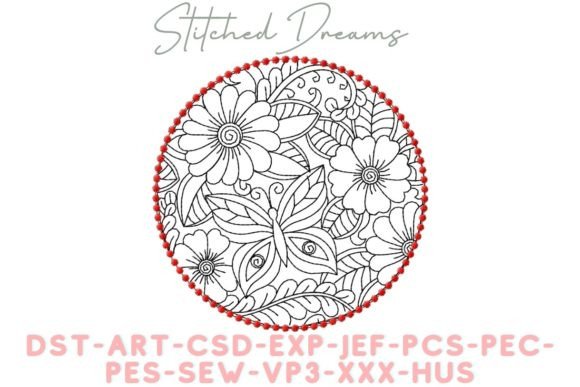
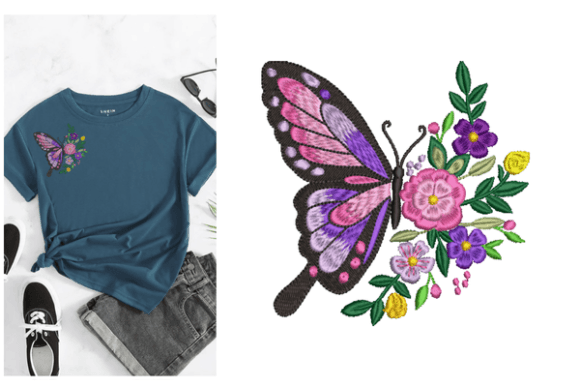
Classification matters when you’re scrolling through hundreds of digital assets. This file sits in the Bugs category, but don’t let that fool you into thinking it looks like a science textbook. It’s a romantic composition where butterflies are intertwined with elegant floral motifs. The first thing I noticed opening the embroidery file was the sophisticated balance between the wings and the petals. It doesn’t feel like a child’s sticker; it feels like high-end boutique decor. For craft fair sellers, that distinction determines your price point. A ten-dollar patch versus a thirty-five-dollar linen pillow cover—this Butterfly Floral Embroidery Designs file leans decisively premium. The design assets scream "spring wedding" or "garden party," and I can already visualize the metallic threads catching the booth lighting.
Mapping It Out: The Ultimate Product Pairings
Not every machine embroidery design works on everything. I’ve seen detailed digitizing fail spectacularly on slouchy backpacks because the designer didn’t account for the underlying structure. Here is exactly where I’m placing this digital embroidery file to ensure it returns a solid profit margin for any craft fair product:
- Tote Bag Design: A flat canvas tote is the least forgiving surface for a dense design, but if it works here, it works anywhere. I plan to center the design slightly higher than the middle to avoid the fold line that occurs when customers load the bag. It gives a clean, high-visibility pop.
- Apron Embroidery: The bib of a full-coverage apron is prime real estate. The vertical wing layout of this file naturally flatters the human form, creating a slimming visual line up the torso. This instantly moves the finished product into a premium home chef category.
- Tea Towel Embroidery: I’m pairing this with a vintage linen-look towel. The slightly distressed fabric texture contrasts gorgeously against the smooth, glossy polyester thread. This sells out by noon at holiday markets.
- Embroidered Patch: Stitching this on a three-inch twill patch for a craft fair "patch bar" is a no-brainer. The edges are intricate enough to look expensive but sturdy enough to survive a teenager’s backpack.
- Pillow Covers: A 12x12 linen cover with this scaled up to almost eight inches wide becomes an heirloom piece. It shifts the customer perception from "craft" to "art."
For smaller items like fabric pouches and cosmetic bags, scaling is critical. The description advertises the design is available in various sizes, and you must respect that. Too small, and the delicate antennae turn into a blurred cluster of thread—a common heartbreak when stitching the "Bugs" category. Check your hoop size against the smallest test stitch-out.
The Fabric Conversation: Texture, Stabilizer, and Material Physics
Thick fabric and textured towels are the ultimate test for any Butterfly Floral Embroidery Designs. A butterfly wing relies heavily on smooth, silky stitch density to mimic the iridescence of an insect. On a fluffy terry cloth tea towel, those tiny details can sink and disappear into the nap. The solution? Water-soluble topping. Always float a layer of water-soluble stabilizer over the top of textured towels before stitching this design. For thick fabric like canvas tote bags, a sturdy cut-away stabilizer ensures the dense stitch areas don’t warp after the first wash. I learned this the hard way with a busy floral design last fall; the stems puckered, and the entire handmade product looked amateurish. The Butterfly Floral Embroidery Designs deserve rigid backing and a careful selection of your fabric texture.
Decoding the Stitch Logic: Density, Threads, and Gradients
A quick visual review of the embroidery file suggests intricate gradient shifts in the wings. This requires a high degree of digitizing precision. Dense stitch areas in the center of the floral elements can create a hard, bullet-proof patch of thread if the stitch density isn't regulated. When I stitch out my test sample, I’ll be watching intensely for flexibility. The thread colors need to contrast beautifully—imagine a muted mauve flower with an ochre butterfly on a natural linen backdrop. Dark fabric, however, requires caution. If the butterfly is deep-toned, you will lose the pop of the wing details against a black apron. I always recommend a high-contrast thread palette for dark surfaces to ensure the finished product doesn’t look like a murky silhouette. For an Etsy seller, the quality of that contrast directly affects the click-through rate on listing photos.
Booth Display Science: Lighting, Movement, and Customer Touch
At a craft fair, your table has roughly two seconds to hook a browser. The Butterfly Floral Embroidery Designs contain an inherent "movement" due to the curved wing shapes. Human eyes are drawn to implied motion. I plan to display this on a cascading tiered stand, mixing tote bag designs with framed tea towels. The shine of the embroidery thread under warm booth lighting makes the design look almost dimensional. I’ll also keep a "touch sample" on the corner of the table. When a customer runs their fingers over the dense stitch areas and feels the quality, the sale is halfway closed. It transforms a digital embroidery file into a tangible, high-value commercial embroidery product that demands a higher markup.
Industrial Rules for the Handmade Shop Owner
Scaling this for a busy small shop product launch requires brutal efficiency. If one stitch-out takes thirty minutes and requires four thread changes, you need to price accordingly. Here are the careful-use notes crucial for turning Butterfly Floral Embroidery Designs into a professional finished product:
- Tiny Details: The antennae and flower stamen are highly vulnerable. If your machine tension is off by a hair, these break first. Test on scrap fabric before ruining a four-dollar blank.
- Curved Cap Surfaces: Applying this to a baseball cap is risky. The wide horizontal wingspan doesn’t always wrap a curved surface without distortion unless you have a specific cap frame and the design is optimized for a narrow curve.
- Small Lettering: While this specific design is naturally wordless, if you plan to pair it with a monogram in your production run, ensure the lettering isn’t crowded. Clarity at smaller sizes vanishes fast on textured backgrounds.
- Dense Stitch Areas: Use a larger needle—a 75/11 or 80/12—to prevent thread breaks from excessive density. A ballpoint needle is your best friend for thick fabric.
- Stabilizer Adherence: For patches, I use an adhesive stabilizer to hold the twill down perfectly, ensuring the floral edges don’t lift during a wash cycle.
The Digital Shelf: Mockups and Online Listings
For commercial embroidery sellers who rely on digital storefronts rather than face-to-face markets, this motif is a marketing dream. A printable mockup of this butterfly on a linen product photographs like pure texture. Flat lay photography captures the raised stitches beautifully. When styling your Etsy listing, utilize the "Bugs" tag alongside "floral garden decor" so it sits perfectly in search results. The visual assets of Butterfly Floral Embroidery Designs make for a striking thumbnail that competes well in a saturated handmade marketplace, especially when you zoom in on the stitch density.
Licensing, The Legal Stitch
Before you price a single item for a small shop sale, return to the source of your design assets. The description states availability in various sizes, which suggests versatility and commercial intent, but you must confirm the commercial embroidery license. Many digital sellers restrict mass production of their embroidery files. Don’t assume anything. A hidden licensing violation is the fastest way to lose a craft fair booth or an Etsy seller account. Check the details, then print a hard copy of the license for your fair folder to be absolutely safe.
Final Stitch-Out Verdict
Is the Butterfly Floral Embroidery Designs file worth the hoop space? From a professional designer’s perspective, absolutely. It bridges the technical gap between delicate vector art and wearable textile decoration beautifully. It holds the visual weight to anchor a tote bag design while remaining airy enough for a wedding handkerchief. Whether you’re stitching a single patch for a VIP customer or running a batch of twelve aprons for a weekend market, this file has that rare "stop scrolling" quality. For the modern craft fair seller, boutique maker, and creative entrepreneur, that is the only metric that truly matters when building an inventory of handmade products that customers crave.